






Exploring Eric Dreshfield’s Salesforce Journey

Welcome to Salesforce Radio, your destination for insights, news, and community connections within the dynamic Salesforce ecosystem!
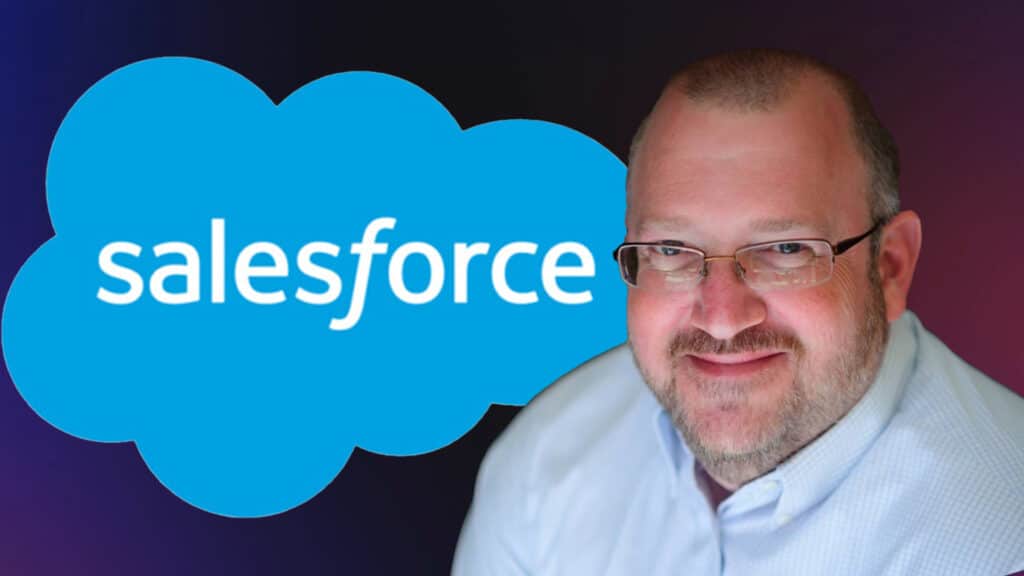
In episode 11, Ben Miller chats with Eric Dreshfield, a Salesforce MVP and founder of popular events such as, Midwest Dreamin’ and Dreamin’ in Data. Eric shares his inspiring Salesforce journey with us while emphasizing the crucial role that networking and community connections have played in his career growth.
Keep reading for all the highlights from this podcast, and find out about what Eric thinks people will get out of Salesforce events in 2024?
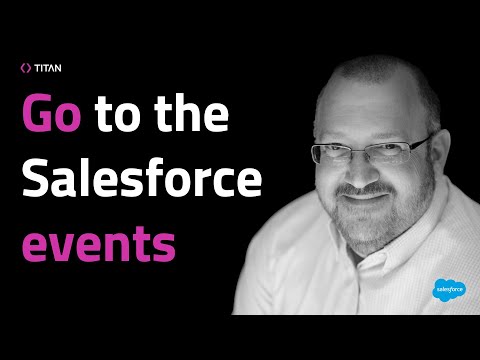
Ben: Very excited to have Eric Dreshfield here today on Salesforce Radio. He is a Salesforce MVP Hall of Famer and founder of Midwest Dreamin’, Dreamin’ in Data, and much more, which I’m excited to hear about.
Eric, welcome to the podcast.
Eric: Hey Ben, thanks for having me on. I appreciate it.
Ben: This is a pleasure, and I always like these situations where I’m told, hey, speak with Eric, get him on the podcast. You don’t need to even meet with him before. He’s gonna be a great guest.
I’ve seen you on LinkedIn for a number of years and some of the initiatives that you’ve been involved with in the ecosystem. I’m excited to get to know each other, hear a little bit about your story, how you got to where you are today, and the things that you can share with other people listening and with others who are getting into Salesforce or have been in the ecosystem for a long time.
Eric: Sounds great.
Ben: To start out, why don’t you tell us a little bit about yourself? What are you doing today? Then, we can get into your background.
Eric: My biggest tasks today are running two Salesforce community conferences and helping a third. Midwest Dreamin’ is an event that I founded back in 2011 based on the premise that I could not attend Dreamforce for my first year in the ecosystem. My boss said I’d love to send you, but we don’t have the budget.
She said I could use company time to build, but I would have to pay for hotel, ticket, and airfare costs on my own. Even 13 years ago in San Francisco, that was still pricey. Not by today’s standards, but it felt pricey to me back then.
I couldn’t go, but my mind said that if I couldn’t go to Dreamforce, let’s bring it to me. That’s what started Midwest Dreamin’ back then. We created this conference around it.
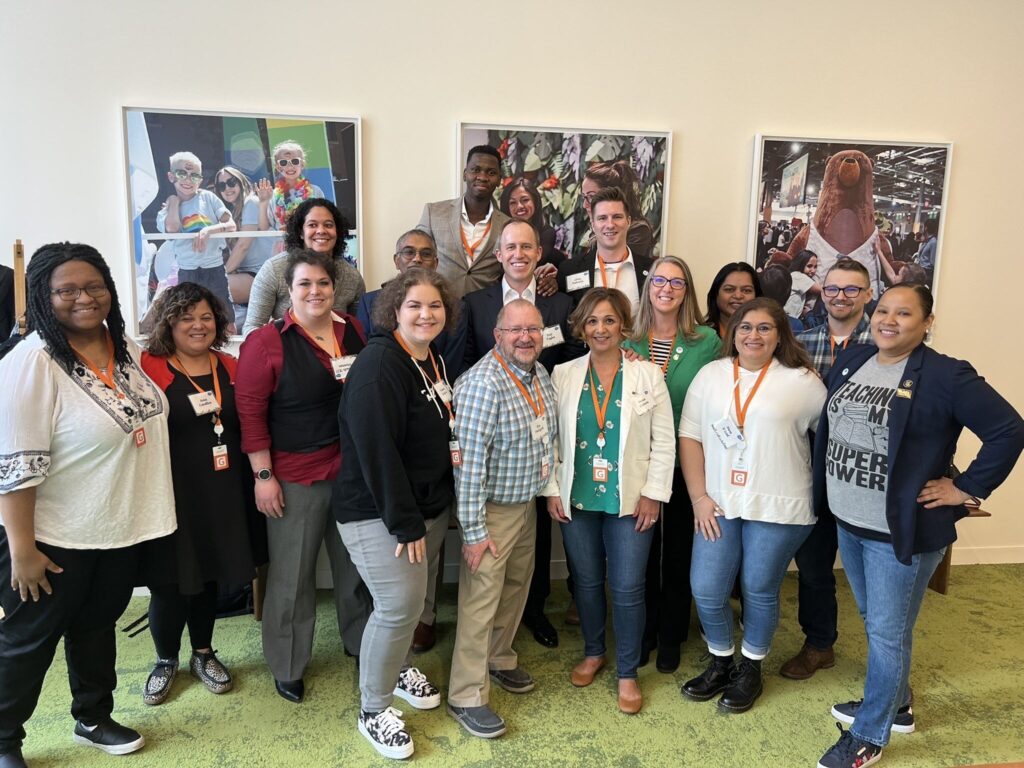
In 2011, 100 people showed up at a hotel in Louisville, Kentucky, for a full day of Salesforce stuff. It was slightly organized but very chaotic. There were no keynote speakers, just a handful of breakout sessions and sponsors, and that was the very beginning of Midwest Dreamin’.
Since then, it’s blossomed. I spent 6 years in Chicago, followed by our third year in Minneapolis. This session is about 3 weeks from now, and there’s always time for last-minute things.
Over the years, it’s grown from 100 people to close to 1000 now. A few years ago, a friend of mine who had attended a couple of times said this is going to be the year I break 1000. He said I brought it to Minneapolis, where we have a huge community, and this is the year to top 1000.
I thought “1000 people” would be cool at an event I’ve organized, but it would be scary. The volume of change from 100 to 1000 visitors hit me pretty hard. Fortunately, I’ve had a great team working with me to help run Midwest Dreamin’ for many years.
It’s a well-oiled machine that does everything nicely. If something goes wrong, most of the time, the attendees don’t realize it, which is perfect. The second event I launched, which I started working on a little over a year ago, is called Dreamin’ in Data.
It came about from a conversation with a client about the possibility of running a customer conference for them. It would be their version of Dreamforce. They are an ISV partner and were talking to me about doing a customer conference for their clients, but they wanted it wrapped around a community conference so that the general public and the rest of the Salesforce community could get involved, learn more about their company and their product, and then have the third day of the event be very specific. They wanted to make this the last day for customers.
Things changed with the company shifting around, so they decided to back off on that idea and do it next year. At that point, I thought I’d already done all the work for this conference. It could be more generic than just for that specific company.
So, I threw together Dreamin’ in Data, did a lot of work, found a hotel, signed a contract, and started finding people to help organize and run that event. I found great people from the Salesforce, Tableau, and Real Soft communities. I got the equivalent of MVPs from all three communities, helping me run the event.
I was super excited about it starting to get some momentum. That is in November in Saint Louis this year, I’m looking forward to that.
Based on the initial reactions we got around that, we’ve already changed from a 1.5-day to a 2-day conference. So, we were really pumped and expecting 450 people from that email sent in the first year out, which is big.
The third event I’m helping with is not one that I started, but I’ve been involved with it since the beginning. It focuses on life science history, and this will be year two for that event.
Last year, it was in Fort Lauderdale, Florida. This year, if my memory is correct, it’s in Philadelphia in mid-November, from the 9th to the 11th. I’m excited about this one.
It’s a Dreamin’ conference like the Midwest but very focused on the HLS life science industries, covering all sorts of great topics within that sector. There will be lots of speakers lined up. Some interesting partners have also come on board to bring their unique flair to that event.
This conference should be fun and exciting. It’s hosting 300 people at the event this year.
Ben: I’m having difficulty focusing on the screen and talking to you. I’m about to look at my calendar. I’m ready to jump around more.
I want to look at the company’s events calendar to see who’s doing what and try to get my requests in as soon as possible. I’m also interested in the back story. What’s drawing you to events since doing your first one, whether it’s the excitement around an event or what people are getting out of it?
Or is it the buzz around it? I’d love to understand the story here because you started with Salesforce in 2009.
Eric: My first introduction to Salesforce was in 2009. I’m about two months away from my 15th anniversary.
My initial journey in Salesforce was when I worked as a temporary call center agent for a software company. I was working on pre-Salesforce and was in a 3-year slump of not having a real job. I lost a great job in the field in 2005 and had difficulty finding work since then.
I found a temp call center job. I remember this as if it were yesterday. It’s funny how I saw an ad in the newspaper on a Sunday and emailed in a resume in the afternoon. I received a phone call on Monday asking if I could be at the company’s office on Tuesday morning. I would have to go to an interview to evaluate my skills. If the company liked me, I would have to start immediately.
Then, my primary job had me working 30 or 40 hours a week while making slightly above minimum wage. I used most of my income to buy insurance for the family. I was unloading trucks at a Coles department store, a third-shift job.

I arrived at seven or eight o’clock at night for my shift, and we stayed until the freights were unloaded and put on the store’s shelves. So, I went into this new interview that morning and did some testing. Everything was cool, and it seemed good.
A few minutes after finishing the exam and interview portion, the company’s HR person returned to the room and said that the hiring manager really liked me and that they had never had anybody score 100 on that test until today. Can you stick around? Can you start right now?
I responded with sign me up. Let’s do it! Then, I had 3 days of training on the company’s CRM system, which was not Salesforce and its phone system. I was going to support the company’s clients on these types of software.
Then, I was live on the phone. Three other people started that day with virtually no more product training. It was literally a one-day boot camp.
For most companies, we mailed a disk to the clients, who then put it in a drive and followed directions. If things blew up, they’d call the company, and we were the people they called the tech support line. It was a fun job, and I enjoyed it.
We learned a lot. In fact, the call volume was way lower than I expected. Four of us started that same day, and we spent two hours per day on the phone, supporting clients, fixing problems, and getting paid for eight hours.
That felt sweet, but four of us quickly became three, then two, and then just me. Six weeks into what was initially billed as an eight-week job assignment, it eventually came down to just me out of those four.
I kept going to work, doing my job, and learning more. The company kept putting me on more pieces of their software and training me on everything they were doing. So, by three months, I was functioning like one of the regular support agents, not just handling that one very specific piece of software but their entire platform.
It was fun, and I had a blast. I was learning a lot, and it was good pay. It was still a temp job, though, which was ok, but I still had to keep wondering when’s it gonna end?
I needed to look for that next gig or hope the company would flip me over to permanent. About 6 months into this temp job, over an 8-week assignment, I got a call from the HR department. They told me they finally had the approval to bring me on board as a full-time employee. As a full-time job, there would be more money and benefits.
It was one of those twist-my-arm moments. I had been looking for a full-time real job for years. So let’s sign me up. Let’s make it happen.
Then, HR said to slow down. There was still a job interview process. I thought it was no big deal. I got the job once and have proven myself. I’m not worried about a job interview.
A couple of days later, I got on a phone call with the company’s Vice President. She oversees the call center and everything technology-related at this company. She was in their San Diego corporate office, and I was in Evansville, Indiana. The company had opened a call center here a few years earlier. So, the interview was literally a phone call.
It was one of those phone calls where she comes right off the bat and says, “So Eric, I know why you’re still here. After all this time, you do a great job satisfying your customers problems, getting them back in business. You do it quickly and everybody talks about how pleasant you are to work with. The clients are super happy with the work you’re doing. So, thanks for all that.
I just reviewed your resume and looked at some of the things you’ve accomplished at some of your previous employers. I’m impressed with your background, skills, and the variety of industries you have touched. I have one question I wanna ask.”
At this point, my heart pops into my throat, and the beads of sweat show up on my forehead. My stomach’s churning, and it’s like a one-question job interview. What the heck was she going to ask me?
I had no clue what to expect from that split-second. The VP asked me, “Why are we wasting your time on ours? You support our clients, but there are so many other things you can do to help move this company forward.” I thought about that for a second or two and thought, wow, that’s a fantastic question!
I wish I had an amazing answer to give her. The only thing I had for her was, “Well, the call center agent positions are all you have open right now. That’s why I’m here.”
Her response was this, that’s true. Give me 3 weeks. I’m creating a business analyst position to help us launch Salesforce at the call center where you’re working. You would be perfect in that job.
I had never heard of Salesforce, but that was my introduction. The company flipped me to permanent and made me a business analyst, and I was off to the races learning Salesforce and launching Service Call simultaneously in the call center.
It was cool and fun, and it had lots of challenges. I still enjoy chatting with that VP every year at Dreamforce when I run into her. It’s been a wild ride and enjoyable since then.
Ben: So, is the VP still using Salesforce?
Eric: She’s still at the same organization. They’ve gone totally into the Cloud, not just their CRM. Everything, from billing and invoicing to whatever is in the Cloud. She’s still managing the whole thing, and up to this time, a couple of other people that I used to work with back at the company are working with her.
It was a fun place for me for a few years and got me started in this wild ecosystem.
Ben: Every story I hear is unique, and there are many people who have come into the ecosystem in a similar way, maybe not from a traditional tech background, not looking for a software job, not looking to be a data analyst, but someone who could potentially be a Salesforce user.
They end up being the ones who help implement the system. I guess if they’re still using Salesforce, it means the first implementation went pretty well.
Eric: I assume that’s the case. They’ve expanded their use considerably to include many other departments.
Ben: If they’re still using Salesforce, they’ve grown over the years. 15 years later, that’s really incredible! So, what did you do? What were the resources that you used for that initial implementation? What did it look like to be the point person for Salesforce in this organization?
Eric: That was the interesting part of the journey. Trailhead did not exist back then. It came around in 2014 or so. The resources were really the following:
- Official training from Salesforce trainers out in San Francisco
- Help and training found online
- Local community groups – if there was one close to you back then.
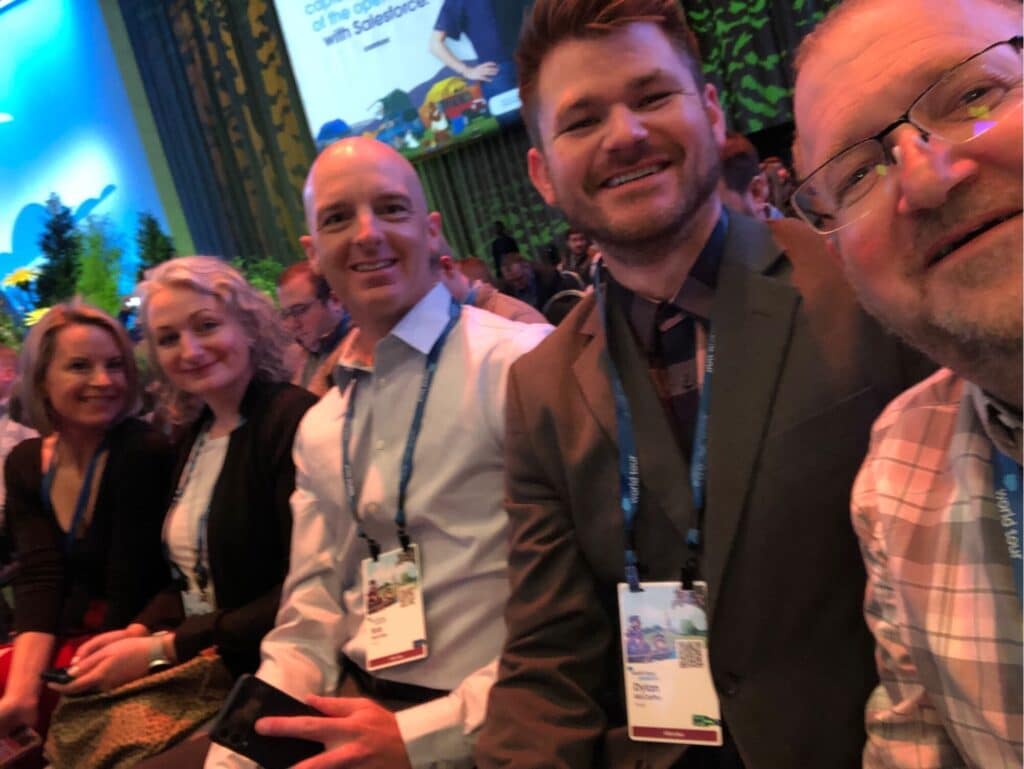
There were very few community groups around the country. That was where my boss pointed me within the first week of my job to find a local user group and meet people already using Salesforce because he couldn’t send me on training. The company did not have the budget.
They had a Salesforce administrator on staff and some developers, who they were sending to the official Salesforce training. I came in a little later to the game than most people. As a BA, there was insufficient justification for training. They did not have the money, but they asked me to find some people already using Salesforce and learn what I could from them.
I started looking around for user groups in my area and stumbled across one in Chicago holding a meeting in the morning. One afternoon in Chicago, Salesforce was hosting an event they’d call a World Tour today.
In 2009/10, I referred to it as a Cloud Force event or a City Tour. I spent an entire day in Chicago between the user group meeting and the Cloud Force event—drinking from the firehose, as they say. I tried to soak in everything I could about Salesforce and the ecosystem. I spoke to any of the partners who were there and asked how they do things and all that fun stuff.
That set me off on this community journey alone. My boss was very supportive. I could find user groups and learn from people already in the ecosystem using Salesforce. I then spent one and a half to two days a month driving to other cities in the Midwest to attend user group meetings.
Cincinnati, Columbus, Ohio, Indianapolis, Nashville, and anywhere else in the Midwest where there was a meeting, I was going to be there if it was closer than six hours away. Chicago was about as far as I went then, and I met many people at those meetings.
When I entered a meeting and signed their attendance sheet, I felt I belonged there. Everybody cared about me and my challenges. Before the whole “Ohana” movement came around, Salesforce was a family.
Everybody genuinely cared for my success, and it was pretty amazing. I’ve worked in the software industry before and in other parts of it. I have also attended user group-type meetings and other aspects of software, but none of them had that family feel where people care about others.
After several months of touring the Midwest and attending user group meetings around the area, I thought this was silly. I can’t be the only person in Southwest Indiana using Salesforce. I found somebody at Salesforce to ask, “What does it take to have a user group started in my city?”
Their response was slightly shocking but a little foretelling. They said, “Hey, congratulations! Thanks for volunteering to lead the user group.” I was shaking my head and saying no, no, no.
That’s not what I meant. I was talking to the guy over the phone, telling him I didn’t know much about Salesforce. I need to know the whole gamut of what Salesforce is all about. So, I’m the wrong person to lead a user group because I don’t know anything.
After three more conversations over a couple of weeks, I launched a user group that convinced me I was the right person for the job because I was so hungry for the knowledge.
I had 6 people show up to that very first user group meeting back in 2010. Those people still come to meetings every time I hold them this many years later, along with anywhere between 15 or 40 others, depending on:
- The topic
- The time of the day
- The location of the meetings
When my boss told me to find a user group and get involved in the community, I didn’t find one. I launched one. I got heavily involved and learned about Dreamforce.
My mind said let’s bring Dreamforce to me. That started Midwest Dreamin’ back in 2011. Ever since, it’s been that snow roll at the top of the mountain, rolling down while getting bigger and bigger and picking up more and more speed.
Ben: It’s a wonderful story, and I want to return to the feeling of camaraderie you felt when you walked into that first meeting in Chicago or those meetings that followed it. What made those meetings and Salesforce ecosystem different from the other places you had been in the past?
Eric: In reality, it was the people. I don’t know if it had anything to do with Salesforce. The people at those meetings had their own attitudes and views on life. The person that I met at that first Chicago user group meeting was Denise Carbone. She has been with me leading Midwest Dreamin since 2014 and is my event co-chair.
The second user group meeting I attended way back then was in Indianapolis. I met a few great people there who are still heavily involved in the community. Danielle Lassie was leading the Indianapolis group.
She has since moved to Florida. She’s still involved in leading a group down in Florida and the Florida Dreamin’ Community conference, as well.
I’ve been to that one a couple of times, so it’s hard to really put my finger on what caused the camaraderie feeling. All that stuff is what caused it, but it’s got to be the people because I spend a lot of time with them.
I’ve stopped going to Dreamforce for the content. I go for the people, and they are people that you only see once or twice a year in the real world. It’s good to reconnect and have face-to-face conversations there.
We have a coffee, chat about what’s happening, and catch up. It feels like we are brothers and sisters.
Ben: I’ve only experienced it on a smaller level. I’ve been to several conferences and am already starting to feel it. I show up at these places and see some of the people, and I often represent Titan.
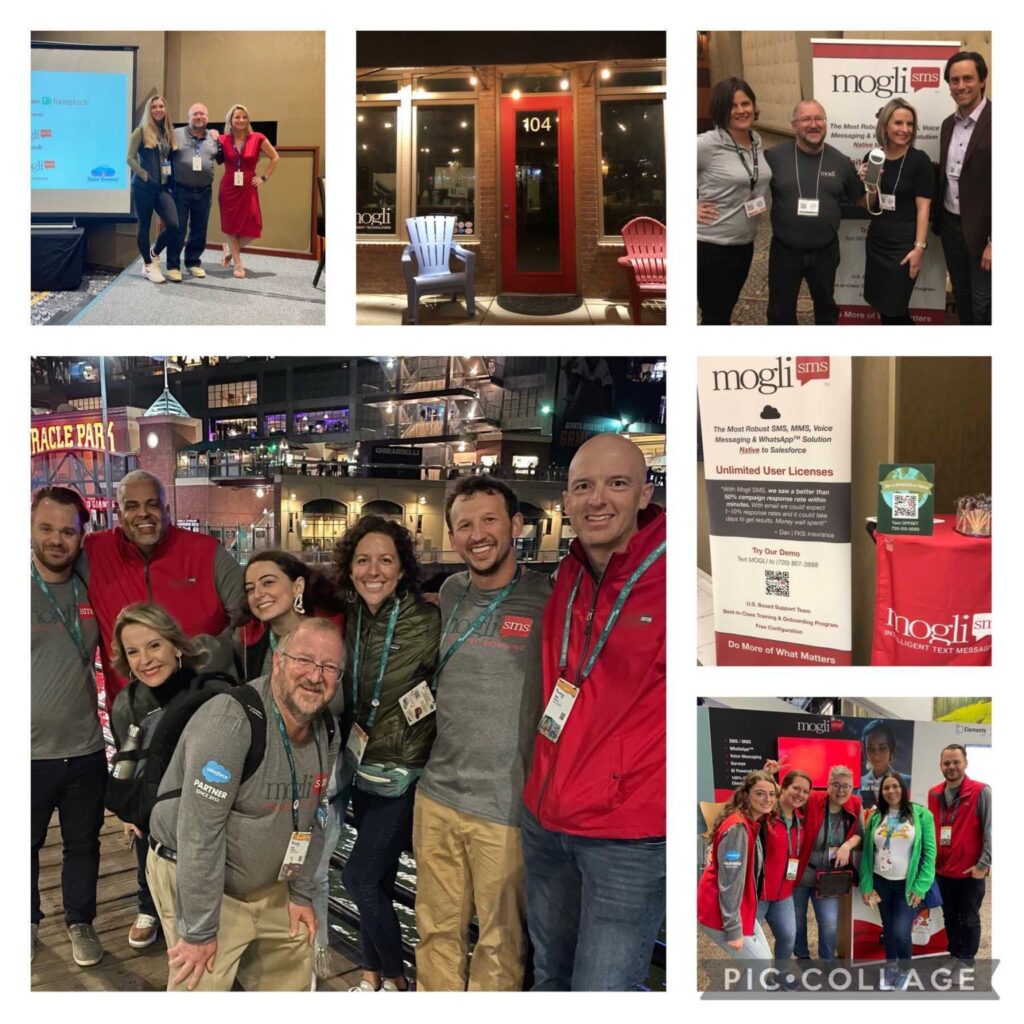
Frequently, we have a booth. Recently, I was at the London World Tour, and right in the morning, when I got there and was just getting set up, a couple of people came by very purposefully. They came to see me and update me on some of the things we talked about the last time we had seen each other.
You feel continuity in that sense of companionship amongst the people in the space. It’s cool to see an ecosystem where so many people become the accidental admin. Or that type of scenario where people didn’t really have full intention to get involved with the Salesforce ecosystem and then end up landing in it and then decided this is a place where they really do see themselves using talents and being able to continue growing professionally as individuals.
It’s something that I didn’t totally expect. I’m not an accidental admin, but I did fall into Salesforce accidentally in many ways through working with Titan. We’re focused on Salesforce and serving the community in any way we can through our platform.
You mentioned earlier that these days, a lot of what you do is events. When did that transition happen? When did you go from being someone who works in Salesforce and logs in every day to someone who manifests and creates this environment for professionals?
Eric: Back in my career journey, the first 6 years in the ecosystem, I worked for customers of Salesforce. These were end or power users. I would help those two customers implement Sales Cloud or Service Cloud. My job became reporting and analytics for organizations.
I was digging into the building reports and dashboards every day, trying to understand the data and ensure management could better utilize the data they have to make smarter decisions to run the business better.
At Dreamforce in 2014, I was wandering the exhibit hall when I ran into a company demonstrating a product. I fell in love with it.
I can see all these things with Salesforce, all these use cases for admins, users, and bills. There was stuff that I could envision the company and this product doing. I felt I wanted to work for this company when I saw that product.
I started pursuing the company and applying for jobs there. Nothing felt right. I had a few interviews but never got any offers. However, I was adamant about the company and what I wanted to do.
I had a few conversations with the recruiter outside of the interview, who mentioned there’s another job that I might want to apply for. Ultimately, after about a year’s worth of failed attempts at getting hired by that company, the recruiter told me it’s obvious you’re passionate about coming to work here. What is it you want to do for us?
I spilled my guts to her. I told her why I was interested in the company from day one. I told her everything I could bring to the table and that if she could figure out how to marry all that stuff together, we could talk some more.
About three months later, I received a phone call from the recruiter, who said the marketing department wanted to talk to me. They had a role that would suit me, so I spoke with this company’s marketing department.
After a couple of conversations in September, Dreamforce rolled around. I went to Dreamforce that year and spent about 3 hours in meetings with an organization. I called them meetings, and the organization called them job interviews. It was with their senior VP of marketing, product VP, and a couple of others.
Over those 3 hours, I walked away thinking they would make me an offer. Within a week, the company put an offer on the table to work for them. In 2023 language, we’d call it product evangelist. Back in 2016, nobody used that terminology, except Salesforce.
That was effectively what my role was. The job title was advocacy manager. I started attending many events representing the company like you did with Titan, originally being at the booth.
I’d be out there wearing the company logo, talking about the business as much as I could at events, trying to get to user group meetings, and representing the company. Sometimes, I would attend in stealth mode, not presenting but wearing the logo. People would ask me about the company and those kinds of things.
It was a blast, and I learned that it was fun. There were some new challenges that I hadn’t experienced before, like events. The company would be hosting its own customer conference, and I was in charge of the track sessions at the event.
I had never done much of that before. I had one Midwest Dreamin event or two before that point. With Midwest, my focus was primarily on organizing the conference, creating the venue, and getting the space to handle all those logistical things.
My major function has always been attracting sponsorships to partners. So, the day-to-day hands-on work involves sessions with people to speak. I never did a whole lot of that at Midwest. I always had people doing that for me, but that’s what this company wanted me to do.
I had to create an attractive session with great speakers who would bring content to this conference that would excite their customers and get people interested in coming who may not even be customers.
I was trying to find speakers, great content, and topics that were at least related to this company’s product, which was a Salesforce partner. This product enabled people to do things better, smarter, and faster than pure Salesforce.
Like most of the partners out there, that’s what their product does. It focuses on one specific thing and helps them do it better. I helped them create this track of sessions at their conference. I continued to do that for two years with this organization.
I learned a lot about events from helping them run an event. They had a really strong event, with 1000 people attending for two years. I was helping with it at that organization and discovered that I like running events. Even though early on that first year, when I did Midwest, I created an event and got it to work, but I didn’t enjoy it.
I was too busy running the event, ensuring everybody was where they were supposed to be and everything was working, to sit down in a session and enjoy the content. That’s shifted over the years. I still don’t spend a whole lot of time in content at Midwest or even some of the other events that I go to because I’m too busy making sure everybody’s happy, the partners feel like they’re getting value, and the attendees know where they’re supposed to go.
It all goes back to that little gentle push that my boss gave me with that first ecosystem job where they said, “Go find people.” I know many people who will laugh at this before that kind of experience. I always considered myself an introvert.
I would rather be hiding in the corner, watching, than being out there talking to people and making things happen. Something about this ecosystem cracked the shell of that egg, and my guts spilled out. I became this scrambled mess of an egg, and I’m an extrovert now. It’s been a wild and amazing ride.
Ben: What I think is cool about your initial position with Salesforce is that It led to you looking for information, which led to you creating an event, which led to you going to other events, becoming an events man, and even an evangelist as we call it now, or as I call it the hype man.
And now, you’re in many places doing different events, providing outlets for people within this space. What keeps you interested at this point? What’s allowing you to say this is something I want to continue to devote my resources and energy to because I know someone who’s run some local events, not for Salesforce, but different types of parties.
It’s exhausting and thrilling, but when you get through it, you feel that amazing sense of accomplishment. But why? Is it because I feel great about myself, or is it because of what the people got out of it? What do you think people will get out of Salesforce events in 2024?
Eric: That is a really great question. On the whole, why do I keep doing it here for over a year? That’s the thought process that’s gone through my mind often. I get a lot of people asking me the same questions.
Several questions arise from people interested in launching a community conference in their area. I have been involved in many of those, starting with the initial conversations about what it takes and why you do it. These questions come up frequently, and everybody realizes it’s a ton of work.
I balanced work at the conference, my professional work life, and my family with all the other things we would be doing. I jokingly say I give up sleep to accomplish some of that. But over the years, I have had a great support system in my wife and kids.
They have experienced the Dreamin’ events with me. They’ve watched it grow and have come to Chicago many years to play tourists and enjoy the location while Midwest Dreamin’ was in Chicago.
I have convinced them to come to Minneapolis for the events so they can enjoy the location because there’s a lot to do. But the pain you go through while you’re doing the event, worried about the events and whether our attendees will show up. Are you gonna get more sponsored dollars to pay for the event? It’s one of those rides that’s very hilly.
There have been many ups and downs throughout the process. But for me personally, the “what’s in it for me” is that random happenstance where I’m at an event, whether it’s Midwest or another one, and somebody walks up to me in the crowd and says they recognize me with heartfelt, warm thank yous.
That’s all I need, to do it over every year. That’s it. I get nothing from it personally and don’t earn any financial gain. We’re all volunteers, and all the money that we raise goes into the event.
If there’s any money left, we’ll donate it to charity or roll it over to the next year. I don’t get a paycheck from all those efforts, but I do it because it feels right and helps other people. If I go back to my beginning in the ecosystem, it’s about paying the community back for my start.
I gained much of what I’ve been doing because of the community.
Ben: It’s a beautiful story and message. There’s something about the energy in the ecosystem where so many people happened upon Salesforce, and then it drove their professional careers. Everyone wants to give back and create spaces for other people to benefit.
People experience those benefits and improve their lives and careers because that’s the energy, right? Everyone has that level of gratitude. And it’s not 100% happenstance, right?
I think there is a lot of intention behind Salesforce’s set up as a company. It’s definitely unusual to a certain extent how these things happen to people so often. The cool thing about this ecosystem is how they stick with Salesforce and give back more to the community.
Eric: Yeah, it’s guided my whole journey. Since I got to that point, every role I played on the professional side of my trip has come because of my connections.
It’s circled around all of that and the fact that I’ve done all of this. One of the things I discovered, probably in 2016, was that I was building this personal brand. Once I realized that I had this brand, I started doing intentional things to help grow the brand and to help make sure I knew what I was all about.
That’s huge in this business, too. If you can find your niche, take advantage of that, market yourself appropriately, and create a strong reputation, people will understand who you are, what you stand for, and what you do. Just make sure you’re doing it genuinely. That helps a lot.
Regarding the career growth you alluded to over the years, I’ve been in this ecosystem. I’ve seen a salary triple, which is pretty amazing. If I go back and think about it from where I started and where I am today, even the current iteration of my career journey where I am now, which is being an independent consultant, came about from the same basic stuff where all those other roles came from the transition, another company, to being independent.
It was an interesting journey that wasn’t totally planned. But it happened and it all came around in a pretty good way. It has helped me learn some new things. Salesforce is a talent that helped me grow our community. I need to credit my wife for that one, as well.
After I left the previous company, I’ve been back home. For about a month, I was not doing anything, just trying to figure out what my next move would be and what I wanted to do.
My wife asked me if I was going to look for a job. I’m 62 years old, and my mind is not ready for me to retire. So, I told her I was not slowing down, but we did not have 30 years’ cash in the bank.
She advised me to stay independent and do what I wanted to do. She said I have earned that and deserve it. I’ve always toyed with the idea of going independent, but I have been scared about:
- Where’s the paycheck gonna come from?
- How do you get a steady income?
- How do you buy insurance as an independent?
- What do you do when a job is done?
- How do you find your next one?
But when my wife suggested to stay independent and do what I want, my mind said this is the perfect time to try it.
I got a really good severance package from the company I worked for previously. That enabled me to go independent and see what happened. All I did was go on LinkedIn, update my profile, and add a job description of the things I’m doing as an independent consultant.
I sent that out into the world. Three days later, I got an email from a company saying it looks like you’re an independent consultant. Are you open to this contract work?
That company became my first client. Two weeks later, they signed a three-month agreement. Then, they resigned for another six. I picked up a few more clients in those months.
It’s been like that ever since. I haven’t sold myself, gone out there, and sent out email blasts saying I’m looking for work. I’m just doing my thing and letting them come to me. For the most part, it’s been pretty good. I have been able to do some work for some companies I didn’t know about previously.
I learned a few more things about the ecosystem and our product center. I am still trying to stay very heavily focused on the ISV side of the market because that’s where I spent the last 8 years with doing marketing and product angles. I focus on these sides because I feel like I know that best.
Ben: It’s a beautiful story, and I’ve really enjoyed it. There’s a lot to learn in terms of putting that energy you get from whatever is around you back into the people and the surroundings you’re in. We can see a lot of really amazing opportunities from it.
I love that last piece about not broadcasting to the world and seeing who notices. It’s a very bold move, but clearly, the work you’ve done promoting good content and spaces for people to further themselves in the ecosystem has really paid off.
I appreciate people like you and everything you’ve done over the last 15 years. I look forward to meeting you in person sometime soon.
Eric: That would be awesome. I appreciate the opportunity to chat with you here.
Ben: Thanks, Eric. It’s been an absolute pleasure.
*Note: This article is an edited transcript of the interview with Eric Dreshfield.
Disclaimer: The comparisons listed in this article are based on information provided by the companies online and online reviews from users. If you found a mistake, please contact us.
You might be interested in
Writing Your First Notarized Letter Like a Pro

How to Remove Track Changes in Word

Signee Vs. Signer Vs. Signatory: What are They?

All-in-One Web Studio for Salesforce